Panama FAQ
Heritage & Horizons: Exploring Afro-Panamanian Culture
March 14–21, 2026 | Panama City, Colón & Portobelo
Overview
This immersive program introduces students to Panama through the lens of Afro-Panamanian history, cultural identity, and community leadership.
Participants will engage with local leaders, explore historic communities, and participate in workshops highlighting Panama’s connections to the African diaspora.
Through experiential learning, students will develop cross-cultural communication, leadership, and global awareness while exploring Panama’s vibrant cultural landscape.
Who This Program Is For
This program is designed for students interested in:
Afro-diasporic history and culture
Global learning and experiential education
Leadership development and social impact
Community engagement and responsible travel
No prior international travel experience is required.
Locations
Students will explore several culturally significant areas in Panama.
Panama City
The country’s capital and cultural center.
Colón
A historic Caribbean port city known for its Afro-Caribbean heritage.
Portobelo
A UNESCO-recognized historic town known for its Congo cultural traditions, music, and dance.
Program Highlights
Visit the Museo AfroAntillano
Hands-on workshops in Curundú
Community engagement in Colón
Congo dance and folklore session with Grupo Folklórico Congo de Mamá Arí
Exploration of historic Portobelo
Conversations with community leaders
Guided reflections and group discussions
Independent exploration time
Program Dates
March 14 – March 21, 2026
Arrival & Departure
When should I arrive?
Students must arrive in Panama City by 5:00 PM on March 14, 2026.
Transportation from the airport to the program lodging will be provided in scheduled batches.
What if I arrive earlier?
Students arriving before March 14 will receive instructions on where and when to meet the group.
Please note:
Early arriving students are responsible for their own transportation until the official program start.
Lodging before March 14 is not included unless otherwise specified.
What happens on departure day?
On March 21, 2026, WorldWalker will provide transportation from the program lodging to the airport in scheduled batches.
Can I stay in Panama after the program?
Yes.
Students may extend their stay but must notify WorldWalker in advance.
Students staying longer will be responsible for their own airport transportation.
Program supervision ends on March 21, 2026.
Program Expectations
Students are expected to participate in scheduled program activities and engage respectfully with the local culture.
Participation is encouraged but not required.
All participants are expected to conduct themselves responsibly and professionally throughout the program.
Activities & Daily Experience
Students will participate in cultural immersion experiences including:
Visits to historical and cultural sites
Workshops with community leaders
Cultural dance and folklore experiences
Group reflections and discussions
Independent exploration time
Activities may change depending on weather, local conditions, or community availability.
Any adjustments will maintain the educational goals of the program.
Free Time
Yes. The program includes structured independent exploration time.
During free time students may:
Explore neighborhoods and local markets
Visit cafes or cultural sites
Practice navigation and travel skills
Reflect independently on cultural experiences
Free time is scheduled intentionally and follows safety guidelines.
Meals, Housing & Transportation
What’s Included
Lodging accommodations
One meal per day
One catered group dinner
Sponsored in-country transportation for all program activities
Cultural immersion experiences
Pre-departure preparation sessions
Post-trip reflection workshop
Students should budget for independent meals and personal spending.
Where Will We Stay?
Students will stay in group dorm-style accommodations at La Ciudad del Saber (City of Knowledge) in Panama City.
The dorm accommodations at El Sabor provide a safe and convenient environment for student groups and are located close to many of the program’s cultural and educational activities.
Additional accommodations may be used during visits to other regions depending on the program schedule.
Weather in Panama (March)
Panama has a warm tropical climate year-round.
In March students can expect:
Average daytime temperatures: 80–90°F (27–32°C)
Warm evenings around 75°F (24°C)
High humidity
Occasional short rain showers
Students should plan for heat, humidity, and sun exposure, especially during outdoor activities.
Lightweight clothing, sunscreen, and insect repellent are recommended.
Packing Guidelines
Students should pack light and travel efficiently, as they will be responsible for carrying their luggage between locations.
Participants will spend time outdoors during cultural visits, community activities, and walking tours.
Recommended Luggage
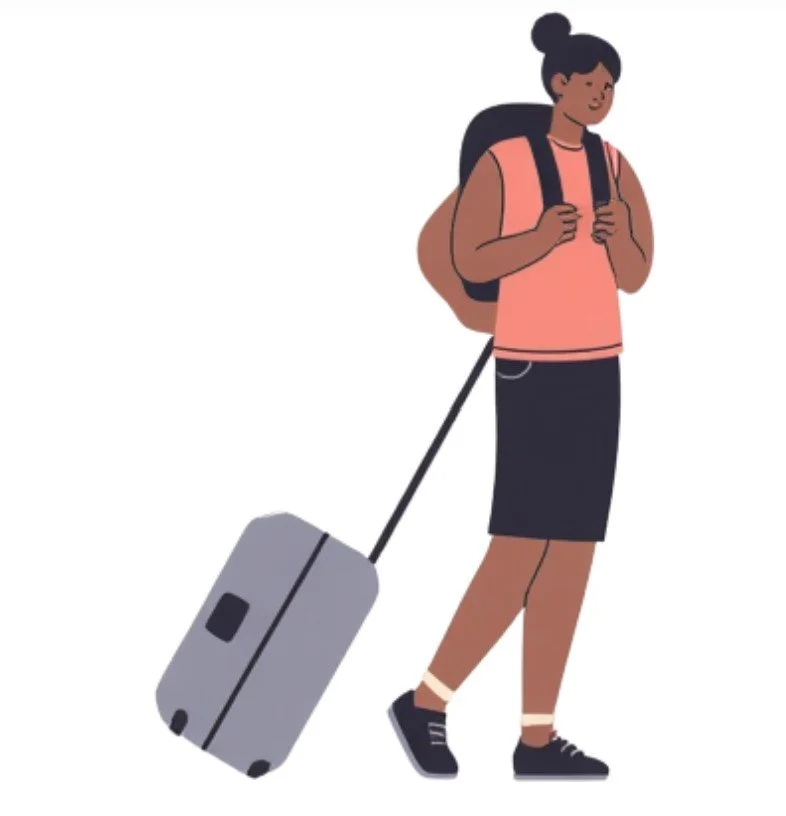
Carry-on suitcase + backpack
This setup allows students to move easily between activities and lodging.
Not Recommended
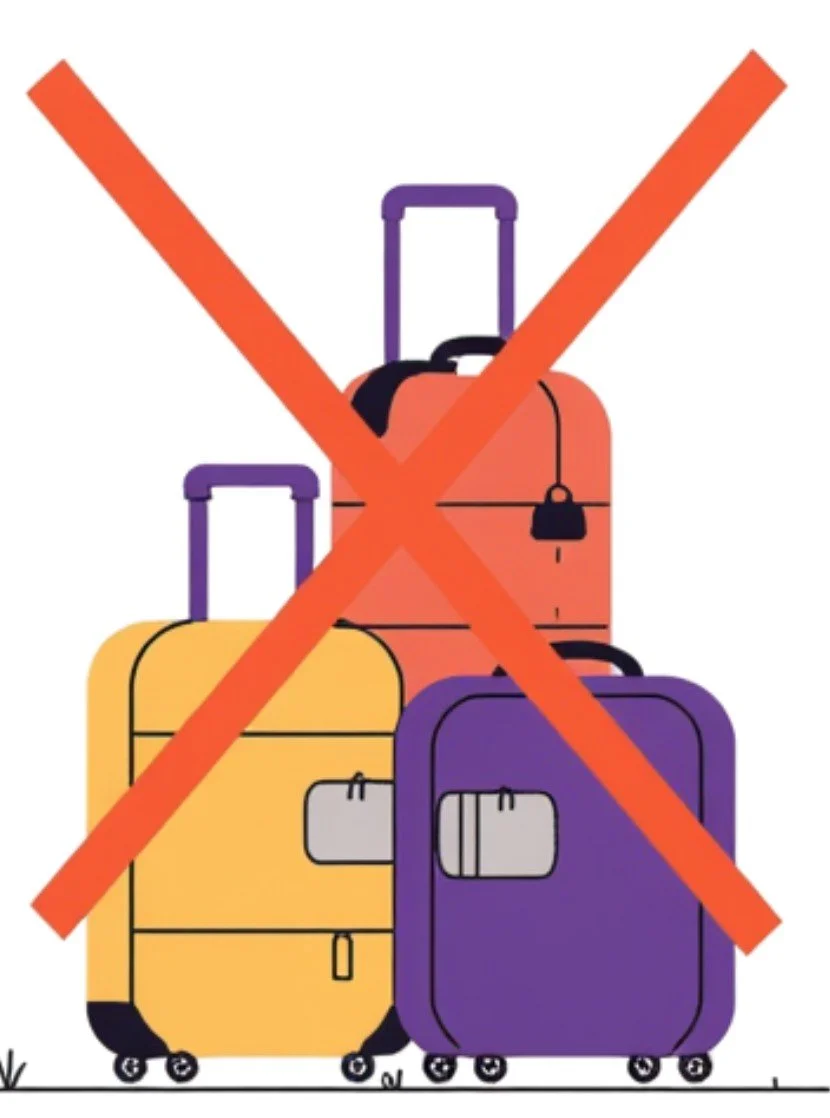
Large or multiple suitcases.
Students will be responsible for transporting their own luggage.
Suggested Items
Lightweight clothing for warm weather
Comfortable walking shoes
Athletic clothing for community activities or sports
Rain jacket or compact umbrella
Swimwear
Reusable water bottle
Portable phone charger
Sunscreen
Eco-friendly insect repellent (recommended for tropical climates)
Students should pack versatile clothing that can be mixed and matched.
Tipping in Panama
Tipping is common in Panama.
Restaurants: 10% is typically included or expected
Taxi or rideshare: rounding up is common
Guides or drivers: small tips are appreciated
Money & Spending
Most students find $150–$300 USD is sufficient for personal spending during the week.
This may include:
Independent meals
Coffee or snacks
Souvenirs
Optional purchases during free time
What currency is used?
Panama uses the U.S. Dollar (USD).
Credit cards are widely accepted in Panama City, but students should carry some cash when visiting smaller communities.
Phone & Internet
Most smartphones work in Panama, but students should check with their provider about international service options.
Possible options include:
International roaming plans
International day passes
Wi-Fi is widely available in hotels and many cafes.
Students will communicate with staff through the program GroupMe.
Transportation During the Program
All major transportation for program activities will be arranged by WorldWalker.
This includes travel between:
Panama City
Colón
Portobelo
During free time students may use taxis or rideshare services.
Program staff will provide guidance on safe transportation options.
Safety
Panama is a popular international destination and generally safe for travelers.
Students should follow common travel safety practices:
Stay aware of surroundings
Avoid displaying large amounts of cash
Travel in groups when possible
Follow staff guidance during free time
Students should remain reachable through the program GroupMe.
Pre-Departure Preparation
Students must participate in three pre-departure sessions covering:
Travel logistics
Cultural preparation
Community engagement expectations
Safety guidance
Meeting dates will be shared with participants before the trip.
Post-Trip Reflection
Students will participate in a post-program reflection workshop designed to help process the experience and connect learning outcomes to academic, professional, and community contexts.
Cost & Registration
Students secure their participation by submitting a deposit.
Deposit Deadline:
December 15, 2025
Additional payment details will be shared once finalized.
Questions
For questions regarding the program:
WorldWalker Program Team
Info@WorldWalker.org